
The Bible features a variety of women who play significant roles in the narrative, from matriarchs and leaders to prophetesses and devoted followers. These women exhibit diverse qualities, including courage, faith, wisdom, and even flaws, making them relatable and inspiring figures for readers across different times.
Prominent Women in the Old Testament:
- Eve: The first woman, wife of Adam, and central to the story of the Fall.
- Sarah: Wife of Abraham, known for her beauty and later, for her faith in God’s promise of a son.
- Miriam: Sister of Moses and Aaron, a prophetess and leader in her own right.
- Deborah: A judge and prophetess who led the Israelites to victory over the Canaanites.
- Ruth: A Moabite woman who showed great loyalty to her mother-in-law, Naomi, and became an ancestor of King David.
- Esther: Queen of Persia who risked her life to save the Jewish people from genocide.
- Jael: Heroine who killed Sisera, the Canaanite general, to deliver Israel.
- Rahab: A Canaanite woman who helped the Israelite spies and was spared when Jericho was conquered.
- Hagar: The Egyptian handmaiden of Sarah, who bore Abraham’s son, Ishmael.
Prominent Women in the New Testament:
- Mary of Nazareth: The mother of Jesus, chosen by God to bear the Messiah.
- Mary Magdalene: A close follower of Jesus, present at his crucifixion and resurrection, and the first to witness the risen Christ.
- Martha and Mary of Bethany: Sisters who were close friends of Jesus, with Martha known for her service and Mary for her devotion.
- Lydia: A businesswoman who became one of the first Christians in Europe.
- Priscilla: A woman who, along with her husband Aquila, was a prominent figure in the early church.

Roles and societal context
- Women in biblical times were primarily expected to fulfill domestic roles, such as wives and mothers, according to TJ Wray.
- However, the Bible also portrays women in various other roles, including prophets, judges, merchants, and even queens.
- While ancient Near Eastern societies were generally patriarchal, scholarship suggests the presence of “hierarchy” in the Bible, acknowledging different power structures and spheres of influence for women.
- The Bible, while written by men in a patriarchal context, does not inherently portray women as inferior or deserving of less.
- Instead, it often presents women as examples of faith, courage, and resourcefulness, who sometimes challenged societal norms or subverted power structures to achieve more just outcomes.
Controversies and debates
- Some biblical passages have been interpreted as promoting sexism or restricting women’s roles, such as those related to submission to husbands or silence in church.
- However, scholars offer various interpretations, suggesting that some passages may be contextual or aimed at maintaining order within specific communities.
- Jesus, in his interactions with women, often challenged the prevailing societal norms, showing respect and valuing their participation in his ministry and teachings.
Lessons from women in the Bible
- The stories of women in the Bible offer valuable lessons on faith, trust, courage, humility, service, and redemption, says Mission Save Montana.
- They serve as role models, inspiring individuals to embrace their God-given purpose and live lives of faithfulness and service.
In conclusion, the Bible provides a rich tapestry of stories featuring women who played crucial roles in the unfolding of God’s plan. While acknowledging the historical context and patriarchal societal structures, a closer look reveals that women in the Bible were often portrayed with strength, wisdom, and faith, offering enduring lessons for believers today.
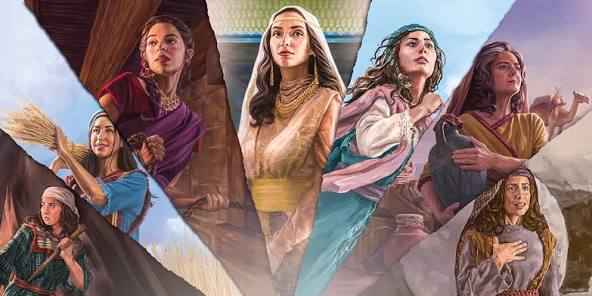
For more information about these women go to:
https://www.jw.org/en/bible-teachings/questions/women-in-the-bible/

 Faith Seeking Understanding